
Why Kenya's AI Future Depends on Open-Source Collaboration
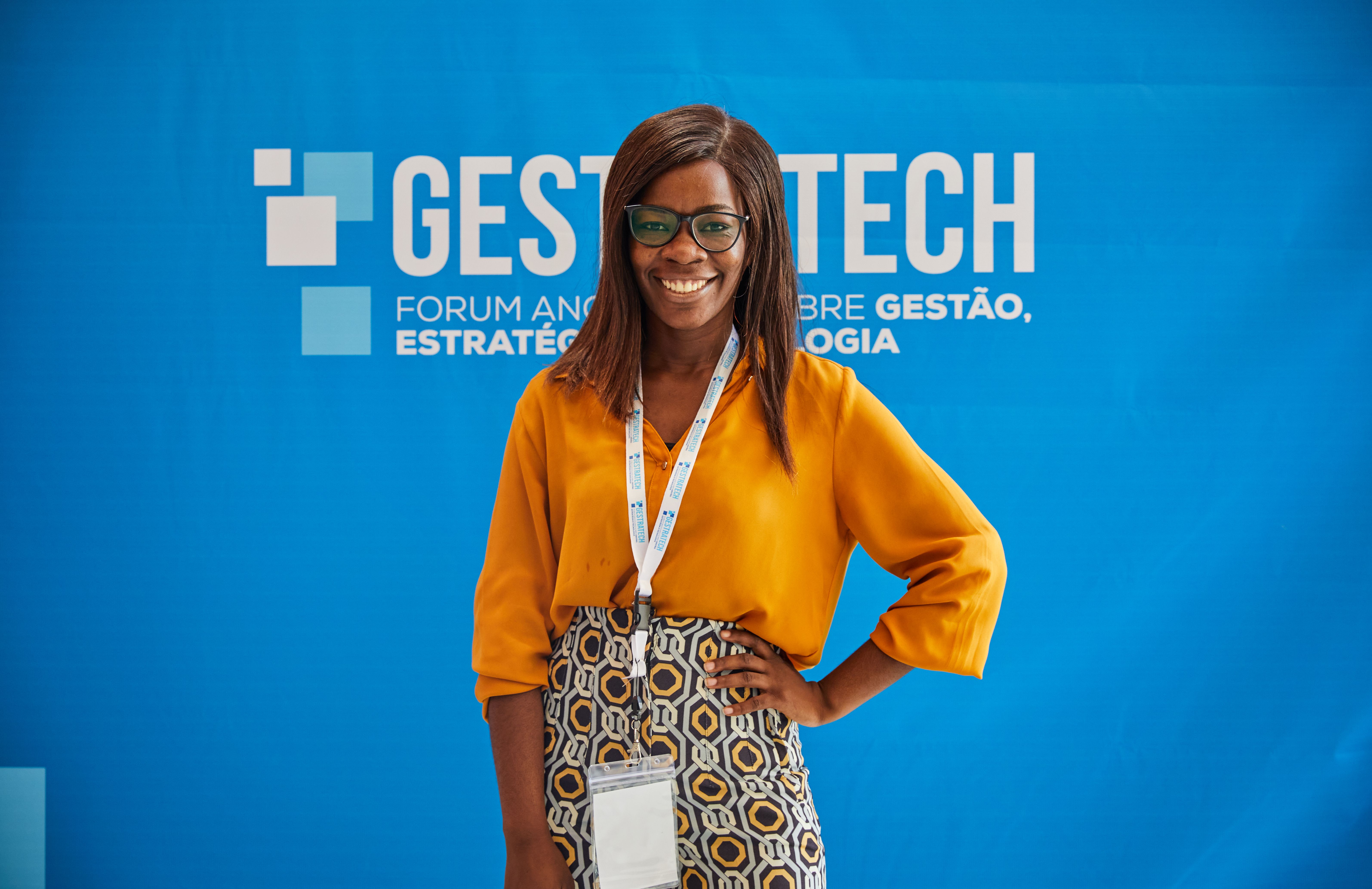
Kenya's AI ecosystem is at a critical juncture. While the country has seen exciting growth in AI startups and research, the future of this technology will be determined by how we choose to collaborate. Dr. Jane Wanjiru argues that open-source models are not just a technical choice but a strategic one for Kenya's technological sovereignty and economic future.
The conversation around artificial intelligence in Kenya has shifted dramatically in the past two years. What was once the domain of researchers and tech enthusiasts is now a mainstream topic in boardrooms, government ministries, and even the local boda-boda WhatsApp groups. But as we rush to embrace AI, we face a fundamental question: whose future are we building?
The global AI landscape is increasingly dominated by proprietary models from a handful of tech giants. These companies are investing billions, and their models are becoming the de facto infrastructure for AI globally. However, for a country like Kenya, this centralization presents profound risks.
When we rely on closed, proprietary AI models, we are effectively leasing our own intelligence infrastructure. The data that powers these models flows out, and the value—both economic and strategic—flows back to a few global headquarters. Our local startups, our researchers, and our government become dependent on APIs that can change pricing, alter access, or even disappear at any time.
This is not just an economic risk; it's a question of sovereignty. An AI model trained primarily on data from the West will inevitably carry the biases, assumptions, and blind spots of that data. It will struggle to understand the nuances of our languages, our cultures, and our unique challenges.
!Kenya's AI Ecosystem
*Kenya's AI ecosystem is growing, but it must be built on a foundation of openness and local ownership.*
The answer to this challenge lies in open-source AI. For Kenya, open-source models are not just a technical choice; they are a strategic imperative. Here is why:
1. Ownership and Adaptation: Open-source models allow us to build local expertise. Our developers and researchers can study the code, adapt it to our needs, and train it on our own data. This creates a virtuous cycle of innovation and skill-building that no API-driven approach can replicate.
2. Data Sovereignty: With open-source models, our data stays here. We can build and host models on local servers, ensuring that critical data related to healthcare, agriculture, or public services remains under our control.
3. Cost and Accessibility: Open-source models democratize access to AI. A startup in Nairobi can spin up a model on a budget that would be impossible if they had to license proprietary tools. This levels the playing field and unleashes the ingenuity of our entire tech ecosystem.
4. African Solutions for African Problems: From AI-powered crop diagnostics for smallholder farmers to personalized education tools that address our learning gaps, the applications are endless. These solutions will not be imported; they will be built by Kenyans, for Kenyans, on open-source foundations.
The Kenya AI Startup Network, initiatives from iHub and Nailab, and the growing number of AI courses at our universities are promising steps. However, we need a deliberate national strategy that prioritizes open-source development. This includes targeted funding for research and development, creating policies that encourage the sharing of public datasets, and building the infrastructure to host and run these models locally.
The future of AI in Kenya is not a destination; it's a choice. We can choose to be passive consumers of technology, or we can build it ourselves. By embracing open-source collaboration, we choose a future of ownership, innovation, and control. The time to build that future is now.
Read Full Article on: External Source